EAST PALO ALTO, CA | SILICON VALLEY
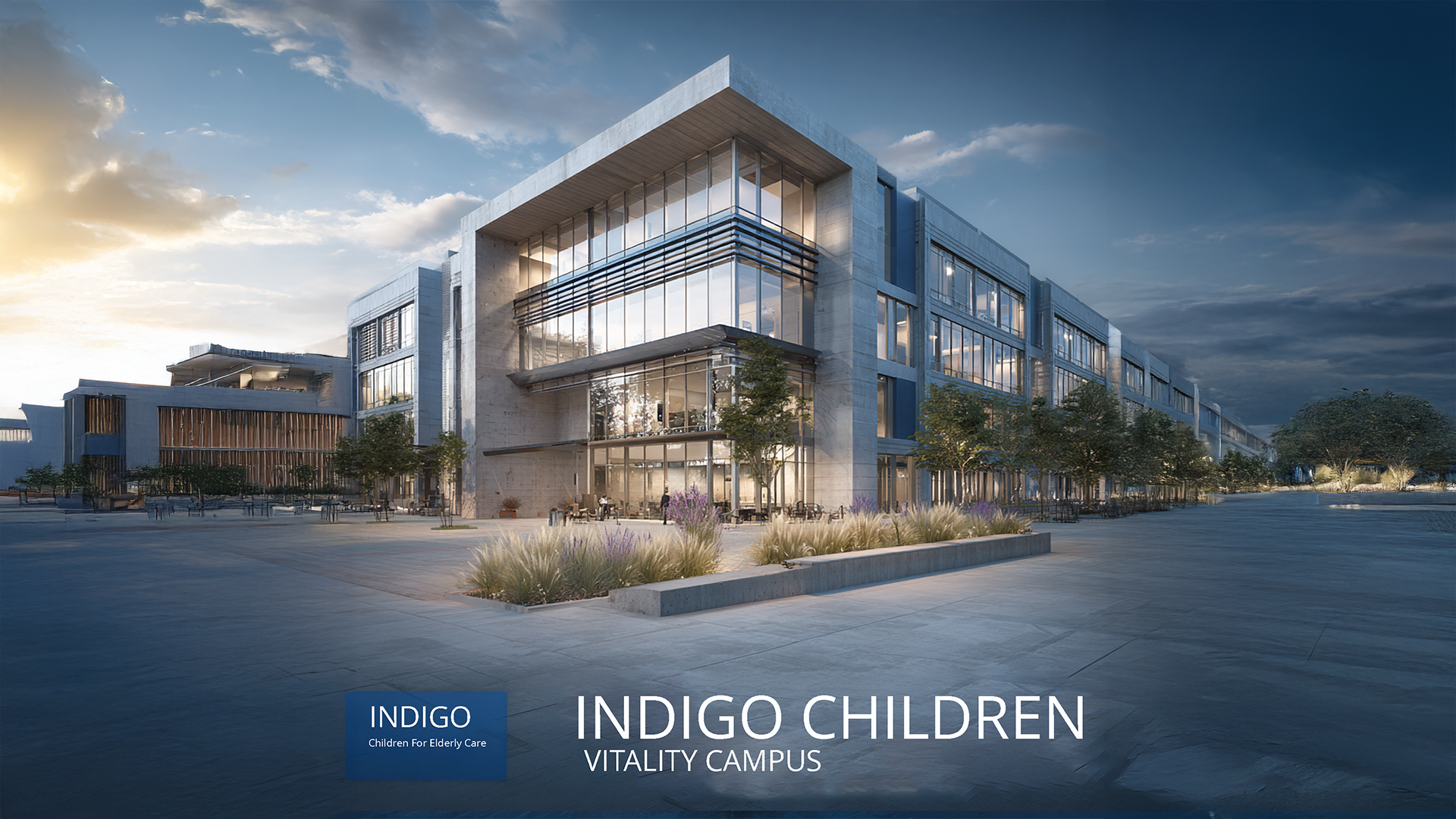
INDIGO CHILDREN FOR ELDERLY CARE SILICON VALLEY VITALITY CAMPUSES
A New Era of Senior Living in the heart of Silicon Valley.
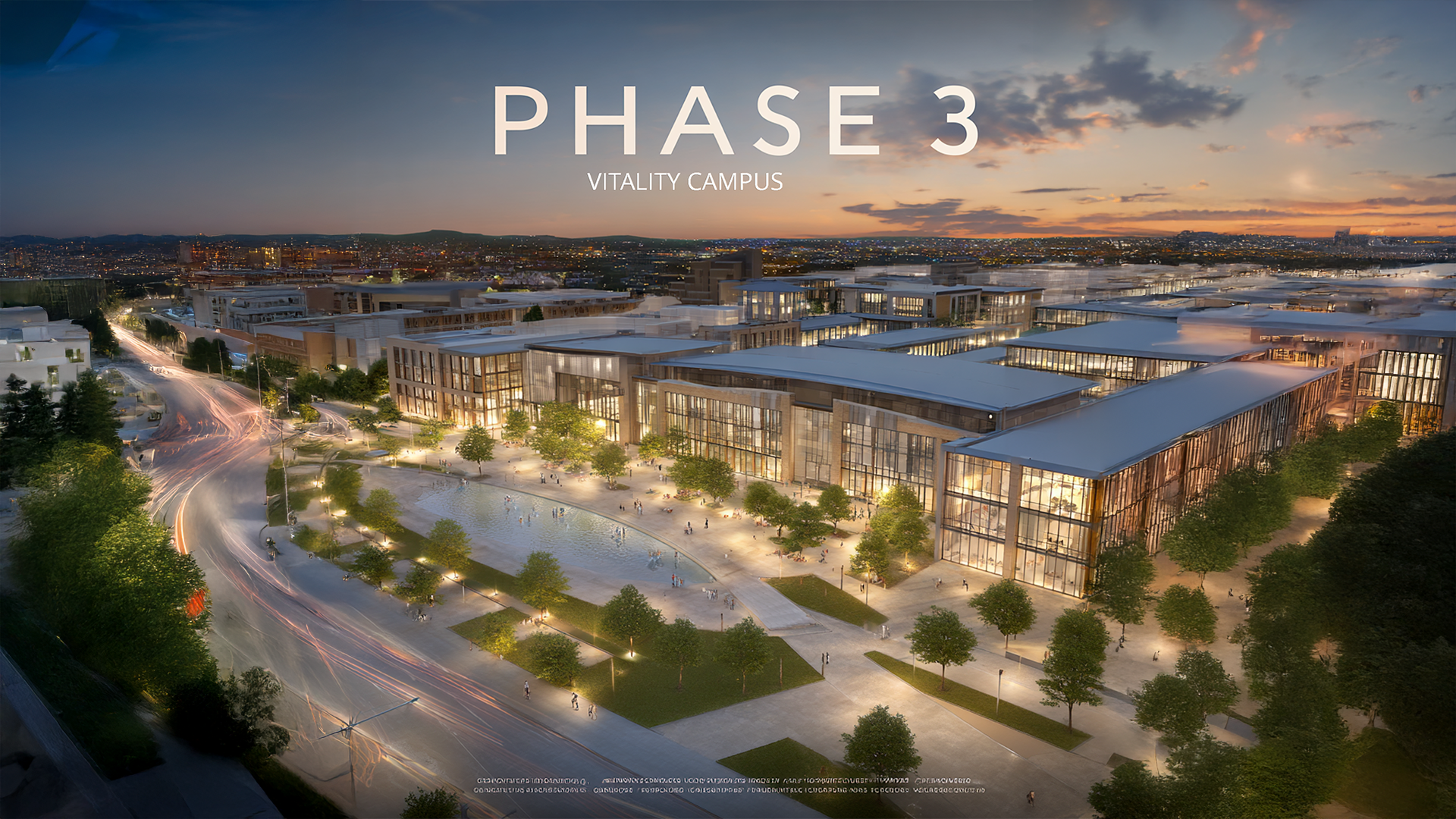
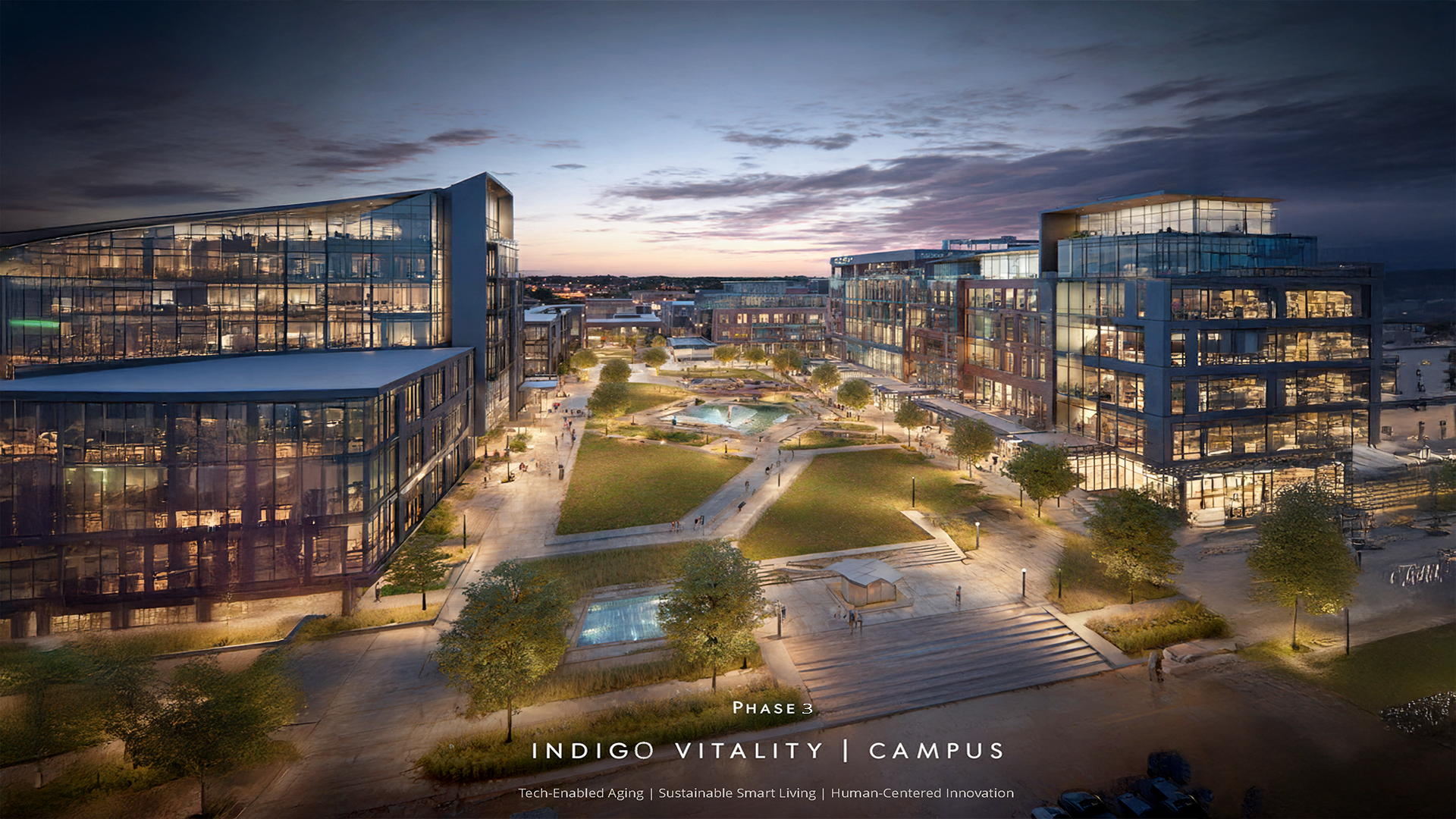
After proof-of-concept approval at 855 Runnymede and 1893 Woodland, we plan to scale rapidly across multiple sites in East Palo Alto, building a total of 350–400 new technology-enabled affordable housing units.
-
Our next target for development is the combined 1168 & 1172 Beech Street parcel, a more than 40,000-square-foot lot.
Since much of the regulatory groundwork, zoning compliance, design review, and infrastructure planning, will already be cleared, we expect fewer design iterations, minimal discretionary review, and shortened permitting timelines.
Once the Beech Street development is underway, we will use the resulting momentum, regulatory goodwill from the City, and proven tech-enabled design to expand outward to additional parcels across EPA, scaling the campus model consistently and sustainably across the region.Description text goes here
-
A Harvard report found that in 2021, a record number of people age 65 and older, about a third of older households, were cost-burdened, meaning they spent more than 30% of their income
Seniors (65+): This burden is more pronounced among the senior demographic in San Mateo County, with 64% of the population aged 65 and over paying this percentage of their income in rent. This demonstrates that many seniors are rent-burdened and in urgent need of affordable, stable senior-oriented housing.
As a result, older people in San Mateo County are increasingly facing homelessness. Single adults 50 or older are now estimated to account for largest segment of homeless population, in California.
Despite growing demand, construction of new senior housing communities remains slow, in 2024-2025 new starts were at levels comparable to 2009, resulting in very limited growth in inventory.
Local assessments in San Mateo County also highlight that there is not enough senior or affordable housing, long waiting lists for existing units, and that many older adults are living in temporary or substandard housing because there simply are not enough units.
-
With county median rents often exceeding $3,000+ for a 1-bedroom, and 64% of seniors paying more than 30% of income on rent, older adults are being pushed out of stable housing and into overcrowded or unsafe living conditions. A growing portion of seniors live on fixed incomes that do not come close to matching Silicon Valley’s rent escalations, making purpose-built senior communities not only viable, but essential.
Many older adults are one rent increase, eviction, or medical event away from displacement. By building tech-enabled Aging With Dignity campuses, we create: dedicated senior units that alleviate pressure on emergency shelters; affordable apartment inventory tailored for fixed-income residents; supportive services + remote monitoring to reduce ER visits, hospitalizations, and 911 calls; and a scalable model that the county can replicate to prevent thousands from falling into homelessness.
-
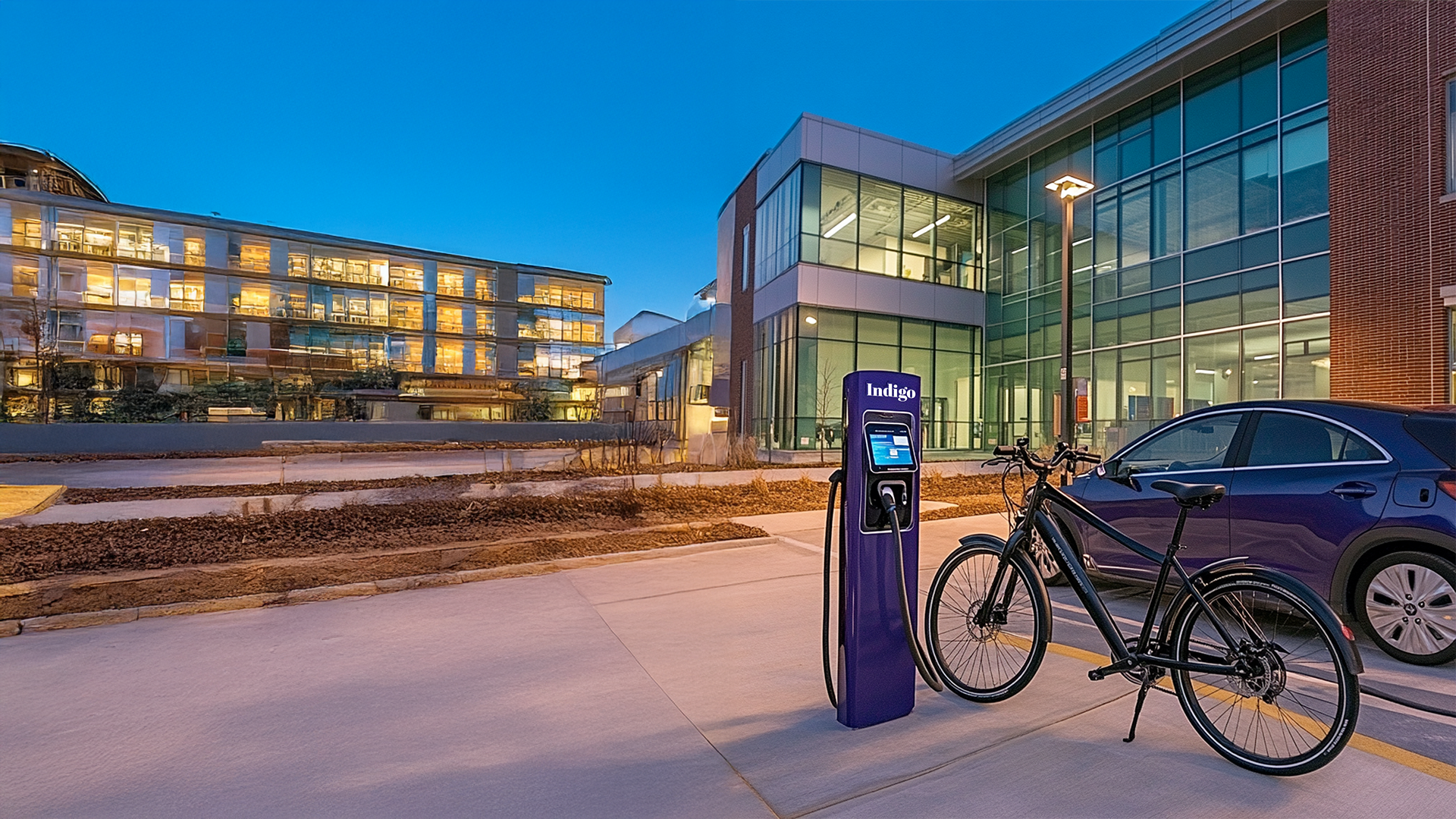
East Palo Alto lacks scalable, tech-enabled systems that provide daily health visibility for seniors, resulting in preventable ER visits, late-stage diagnoses, and repeated 911 calls. By integrating remote patient monitoring, fall-detection sensors, wearable biometrics, and AI-driven alerts, we shift healthcare from reactive to proactive, catching issues days or weeks earlier and preventing the medical spirals that drive both cost and mortality.
Loneliness increases the risk of premature death by 26% and is now considered as physically dangerous as smoking 15 cigarettes a day. In San Mateo County, many low-income seniors live isolated, with no consistent social contact or wellness check-ins. Our campus model creates a supported community where technology (check-in apps, social engagement prompts, tele-friends, virtual groups) and in-person programming work together to eliminate isolation, reducing falls, depression, medication mismanagement, and the “silent emergencies” that lead to life-ending injuries.